
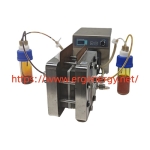

Laboratory Single Cell Battery selection deserves careful attention because research results depend on controlled conditions, consistent measurements, suitable operating ranges, and equipment that matches the intended testing program. Buyers often focus on rated specifications, yet practical details such as temperature control, cycling capability, measurement accuracy, data recording, and safety arrangements can have a direct effect on daily laboratory work.
The first consideration is the purpose of the testing program. A research laboratory may need equipment for charge and discharge studies, cycle testing, performance comparison, aging evaluation, or development work. These tasks can involve different current ranges, voltage requirements, testing durations, and environmental conditions. Defining the intended application before comparing suppliers makes it easier to identify suitable equipment and avoid paying for functions that are not needed.
Operating range is another important point. Different research projects may require different voltage, current, temperature, or power conditions. A suitable testing platform should accommodate the planned experimental range while maintaining stable control. Temperature deserves particular attention because electrochemical behavior can change with environmental conditions. Research facilities commonly use controlled chambers and other environmental equipment when conducting cycling and performance studies.
Measurement capability also matters. Buyers should review how voltage, current, temperature, capacity, energy, and other relevant parameters are recorded. Data should be easy to access and organize for later analysis. Clear data records can help researchers compare different test stages and identify changes during repeated cycling. Standardized testing practices are also useful because results can become easier to compare when charging, discharging, environmental conditions, and reporting methods are clearly defined.
Testing flexibility can make a significant difference in research work. Some laboratories may run short characterization programs, while others conduct extended aging studies involving many repeated cycles. Buyers should therefore consider whether the equipment can support the required test duration and whether multiple channels can operate according to different experimental plans. Research facilities may use multi channel testers and specialized measurement equipment for this reason.
Data consistency should also be part of the purchasing discussion. Even products made to the same specifications can show variation, so a meaningful evaluation often requires a suitable testing plan rather than relying on one measurement. Recent battery testing guidance highlights the importance of test conditions and sample planning when comparing performance and degradation. Buyers can ask suppliers about data acquisition, test repeatability, software functions, calibration procedures, and available reporting formats before placing an order.
Safety features deserve equal attention. Electrical testing can involve charging, discharging, elevated temperatures, abnormal operating conditions, and long test periods. The selected equipment should therefore fit the laboratory safety environment and provide appropriate monitoring and protection functions. Battery research facilities commonly combine electrical measurement with temperature monitoring, environmental control, and dedicated safety arrangements.
Ease of integration is another practical factor. Equipment should work smoothly with the laboratory workflow, including test software, data storage, external monitoring devices, and environmental systems when required. A clear interface can reduce unnecessary setup time and make repeated experiments easier to manage. Buyers should also check whether the supplier can provide technical guidance, documentation, spare parts, and assistance with commissioning.
For manufacturers and research institutions, Ergenergy focuses on equipment solutions that support structured energy storage testing and development work. When evaluating a supplier, buyers can compare technical specifications alongside application requirements, operating conditions, data functions, safety arrangements, and after sales support rather than judging a product from a single specification.
A careful purchasing process begins with the test objective and ends with a practical assessment of the complete workflow. Buyers who define their required voltage range, current range, temperature conditions, cycling program, measurement parameters, data needs, and safety requirements can communicate more clearly with suppliers and make a more suitable selection. Those interested in Ergenergy product options can view the available range here: https://www.ergenergy.net/product/